We all love our pets, and we all want answers right away. But your local veterinarian should always be the first point of contact when you’re concerned with your dog’s health issues. Veterinarian first, research second.
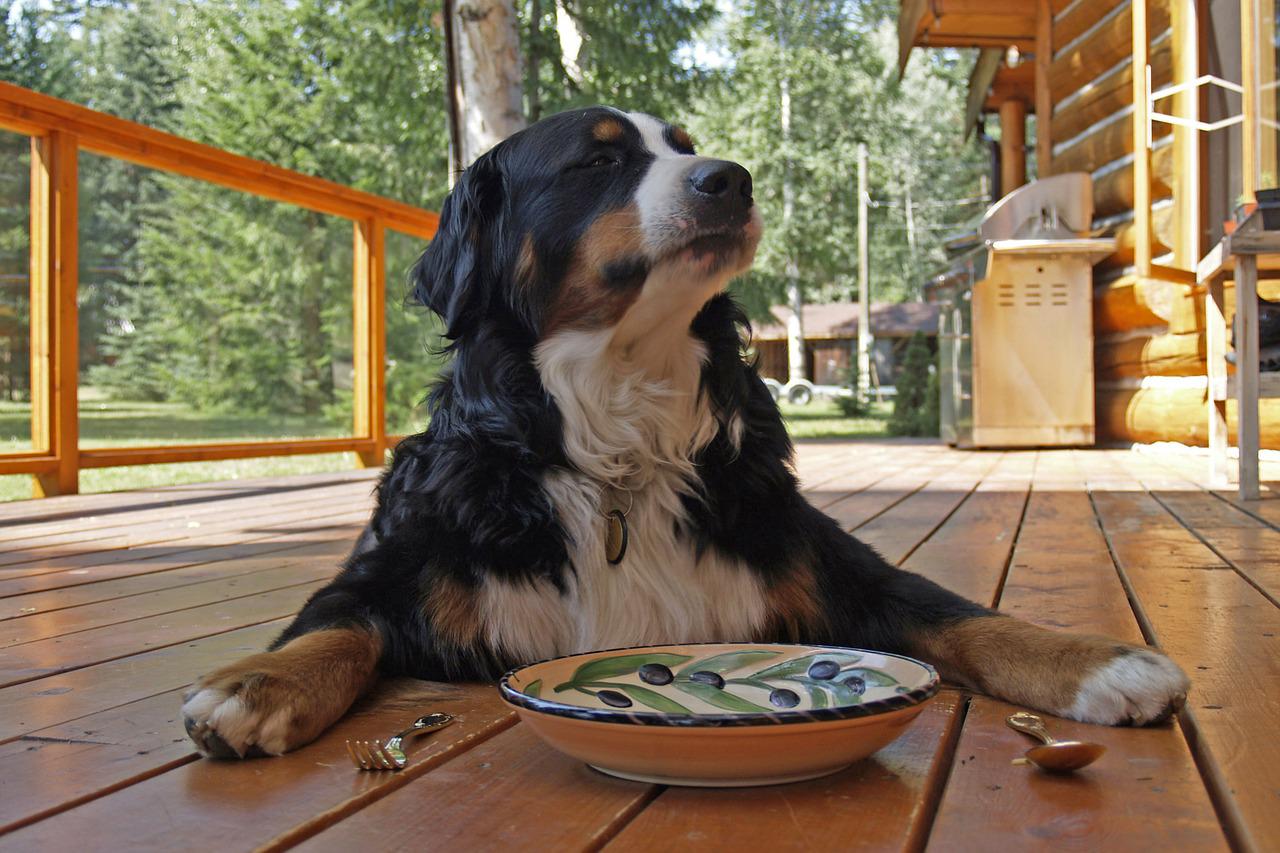
The light-hearted Bernese mountain dog is an excellent family member and all-around dog. Low-maintenance dogs fall squarely into the category of “great family dog.” These tri-coloured beauties have a calm attitude and a majestic appearance, making them one of the most popular dog breeds.
This breed truly embodies beauty, intelligence, and loyalty. Their calm demeanor is ideal for families with both young and old children. They also get along well with other pets and dogs and enjoy participating in family activities. Unfortunately, their lifespan is only 7-10 years. You should be aware of some common health issues in dogs with them.
1. Hip Dysplasia
Hip dysplasia in dogs is an abnormal development of the hips of an animal during its growth. It is common in large breed dogs such as the Bernese. This condition can be extremely painful for your dog, resulting in loss of movement, pain during daily activities, and, on rare occasions, immobility. Obesity worsens this condition, so keep your dog at a healthy weight.
The condition causes their hip joints to loosen, flattening the head of their femur bones and making the socket of the bone shallow. Canine arthritis in the affected joint will develop eventually, but it may not appear. In Bernese Mountain Dogs, the condition is inherited.
Treatment
Your veterinarian will take x-rays of your dog’s hip sockets and recommend a treatment plan, including surgery. Physical therapy, stem cell therapy, medication, and supplements can all be used to treat this condition.
2. Elbow Dysplasia
Large breed dogs like the Bernese are predisposed to canine elbow and hip dysplasia. This form occurs when two bones in the animal’s elbow fail to fuse while growing. As with hip dysplasia, the bones will rub together abnormally, resulting in arthritis. These health issues in dogs are also genetic.
If your dog has forelimb pain, a limited range of motion, and a tendency to hold the forelimb away from the body, they may have elbow dysplasia.
Treatment
Your veterinarian will take x-rays of your dog’s elbows and a sample of joint fluid for laboratory testing. They may also perform an arthroscopic examination, which involves using a tube-like instrument to look inside the joint. Repairing the affected joints frequently necessitates surgery. Your veterinarian can also prescribe medication and dietary supplements.
3. Progressive Retinal Atrophy (PRA)
PRA, or Progressive Retinal Atrophy in Dogs, is an inherited eye disease that frequently results in canine blindness. The condition has only recently emerged in the Bernese mountain dog. It has become more prevalent in the last two decades. Your dog can detect early forms of PRA as young as three months old, and late-onset can occur in dogs as old as five. In either case, these health issues in dogs can cause vision loss.
Night blindness, dilated pupils, appearing disoriented in strange environments, and a reluctance to explore new places are all symptoms of PRA. When a Bernese mountain dog is diagnosed with PRA, he usually goes blind within a year.
Treatment
There is currently no cure for PRA. Dogs are usually blind within a year of being diagnosed, but the good news is that the condition is painless. If you get your Berner from a breeder, ensure they have health certificates. It shows their parents did not have PRA. DNA tests are available to aid in the early detection of this disease.
4. Von Willebrand’s Disease (vWD)
Bernese Mountain Dogs are also prone to various blood-related disorders impacting their daily lives and quality of life. Von Willebrand’s Disease is the main culprit. Your veterinarian can diagnose this through a DNA test following surgery or an injury. Diagnosis can occur at any age, with symptoms typically appearing around 12 months if the case is severe. Regardless of the Bernese Mountain Dog‘s age, look for new symptoms.
- Easily bruised
- Constant Nose Bleeding
- Acute gum and mouth bleeding
- Anaemia
- Excessive bleeding following an injury
- Urine and stool containing blood
Treatment
The vet cannot cure these health issues in dogs, but by monitoring it, you will be able to alert your veterinarian and keep your dog safe if surgery or medications are necessary.
5. Histiocytosis (Cancer)
Like any ageing dog, the Berner is susceptible to several types of cancer, but they are more susceptible to Histiocytosis than most other breeds. This is cancer that affects the white blood cells. This cancer can be malignant or systemic.
It can be a very severe and aggressive problem, so if you notice any signs that your beloved Bernese Mountain has developed this cancer, you should schedule an appointment immediately to discuss your options, whether surgery or chemo. You cannot heal Histiocytosis; options for extending your pet’s life may exist.
- Appetite loss
- Quick weight loss
- Sluggishness is increasing.
- Skin blemishes
The Berner breed is also predisposed to Lymphomas, which affect white blood cells. There is no centralised area for collaborative development.
Treatment
Fortunately, this type of cancer is more accessible to treat than others. Chemotherapy is the most effective treatment. A blood test can identify cancer. The vet recommends testing your dog for this type of cancer twice a year.
6. Allergies to food or bloat
Gastric torsion, also known as bloat, is a severe condition in which a dog’s stomach fills with gas, fluid, or food, causing it to expand. Bloat can be fatal in as little as 30 minutes. If your dog’s stomach stretches too much, blood circulation to the heart and stomach is cut off, resulting in stomach tissue death. The enlarged abdomen can also put pressure on the lungs, making it difficult to breathe.
If you notice stomach upset, vomiting, or diarrhoea, schedule an appointment with a pet care expert as soon as possible. It may take a few trial treatment plans to find the best solution for your dog, so begin as soon as possible.
Treatment
Your veterinarian will sedate your dog and insert a tube down its throat to relieve stomach gas. If your dog’s stomach has already begun to twist, it may need emergency surgery to relieve the gas pressure. Your veterinarian may then staple the stomach to prevent further gastric torsion.


